
come, and study with us
or go and study abroad to broaden your education
welcome
One of the aims of the Escuela de Arte de Sevilla is to promote the international mobility of both its students and its teaching and non-teaching staff. Within the framework of Erasmus+ and its exchange programmes, every year the school works to expand its agreements with higher education institutions, seeking greater geographical diversity and high-quality study programmes.
welcome
Our School accepts Erasmus exchange students in different degree programmes. If you are interested in studying at our School please check ‘Incoming students’ below.
- Website: https://easdsevilla.es/en/international/
- E-mail: international@easdsevilla.es
- Erasmus ID: E SEVILLA10
- Telephone: +34 955 252 525
- Address: Avenida de Chile nº1 41013 Sevilla
- In-person office hours: Wednesdays from 11:15 to 13:15 (Teachers’ Lounge, Pabellón de Chile).
incoming students
application process
After being nominated by your school the students have to fill out the required documents and submit the documents to our email.
The required documents are:
- Application form
- Digital portfolio or website link
- Personal motivation letter
- Learning agreement
- Proof of Spanish
- You can ask the International Office for the required documents at international@easdsevilla.es.
Acceptance Letter
Within 30 working days after the application deadline, successful candidates will receive an acceptance letter or e-mail giving details of arrangements for induction and enrollment if appropriate, when to arrive and what to bring. In case of being accepted all application forms must be signed, stamped and sent by the Erasmus Coordinator.
No changes will be allowed on the Learning Agreement after a month of the beginning of the semester.
deadlines
Applications for Winter Semester: 30th May
Applications for Spring Semester: 15th November
academic recognition
Before the study abroad period, you, your school and our school must sign a Learning Agreement for Studies to ensure a transparent and efficient preparation of the exchange abroad. This document sets out rights and responsibilities of the various parties.
After the study abroad period, our school will provide you and your institution a Transcript of records confirming that the agreed programme has been completed and acknowledge the results.
Your higher education institution must recognize the credits (using ECTS credits or an equivalent system) as agreed in the Learning Agreement before the mobility and count them towards your degree, without any further requirements.No changes will be allowed on the Learning Agreement after a month of the beginning of the semester.
study programmes and language requirements
The Escuela de Arte de Sevilla offers the following programmes. Titles are given in Spanish, followed by their official English translation (Europass supplements).
Degrees in Design (4 years, 240 ECTS)
- Grado en Diseño Gráfico – Degree in Graphic Design
- Grado en Diseño de Interiores – Degree in Interior Design
The study plan of each degree is available on its page (in Spanish): Graphic Design · Interior Design.
If you are interested in other areas, we also offer vocational programmes in plastic arts and design:
Técnico Superior de Artes Plásticas y Diseño – Diploma of Higher Education in Plastic Arts and Design (EQF level 5, 2 years, 120 ECTS)
- Fotografía – Photography
- Gráfica Interactiva – Interactive Graphic Design
- Gráfica Publicitaria – Graphic Design for Advertising
- Ilustración – Illustration
- Cerámica Artística – Artistic Ceramics
- Esmalte Artístico al Fuego sobre Metales – Torch-fired Artistic Enamelling on Metal
- Artes Aplicadas al Muro – Art Applied to Walls
- Técnicas Escultóricas – Sculpture Techniques
- Escultura Aplicada al Espectáculo – Sculpture applied to Entertainment
- Moldes y Reproducciones Escultóricos – Moulds and Reproductions for Sculptures
- Dorado, Plateado y Policromía Artísticos – Gilding, Silvering and Polychrome
- Ebanistería Artística – Artistic Woodcarving
- Amueblamiento – Furnishings
- Arquitectura Efímera – Ephemeral Architecture
- Escaparatismo – Window Dressing
- Proyectos y Dirección de Obras de Decoración – Projects and Management of Decoration Work
Técnico de Artes Plásticas y Diseño – Diploma of Education in Plastic Arts and Design
- Alfarería – Pottery
- Grabado Calcográfico – Chalcographic Engraving
- Procedimientos de Orfebrería y Platería (goldsmithing and silversmithing procedures; descriptive translation, no official English title has been published)
- Serigrafía Artística – Artistic Silkscreen Printing
Classes will be taught in Spanish, some of them will have some English support so Spanish knowledge is required for communication. Incoming students will be supported by some teachers speaking English and by their own Spanish colleagues.
more information
contact information
International Office
- Website: https://easdsevilla.es/en/international/
- E-mail: international@easdsevilla.es
- Erasmus ID: E SEVILLA10
- Telephone: +34 955 252 525
- Address: Avenida de Chile nº1 41013 Sevilla
partners
- Belgium. Bruxelles. École de Recherche Graphique (ERG).
- Croatia. Split. Umjetnicka akademija u Splitu / Arts Academy in Split.
- Cyprus. Nicosia. Frederick University.
- Cyprus. Nicosia. University of Nicosia.
- Czech Republic. Pilsen. University of West Bohemia.
- Czech Republic. Praha. Art & Design Institut.
- France. Limoges. École nationale supérieure d’art et de design de Limoges (ENSAD Limoges).
- France. Marseille. École Condé Marseille.
- France. Paris. Academy Carpenter Académie Charpentier.
- France. Paris. BRASSART. École des métiers de la création.
- France. Paris. CREAD. École des métiers de l’architecture intérieure.
- France. Paris. École Boulle. Design et Métiers d’Arts.
- France. Paris. École Condé Paris.
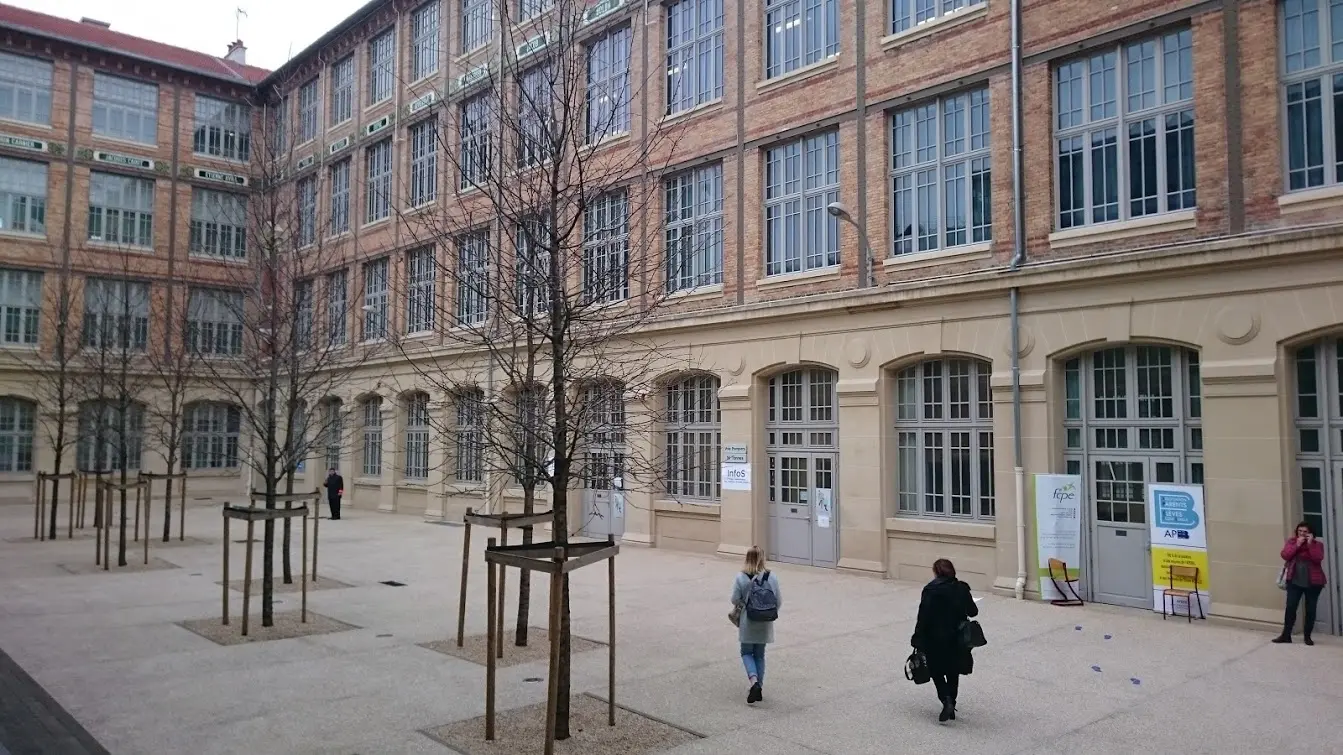
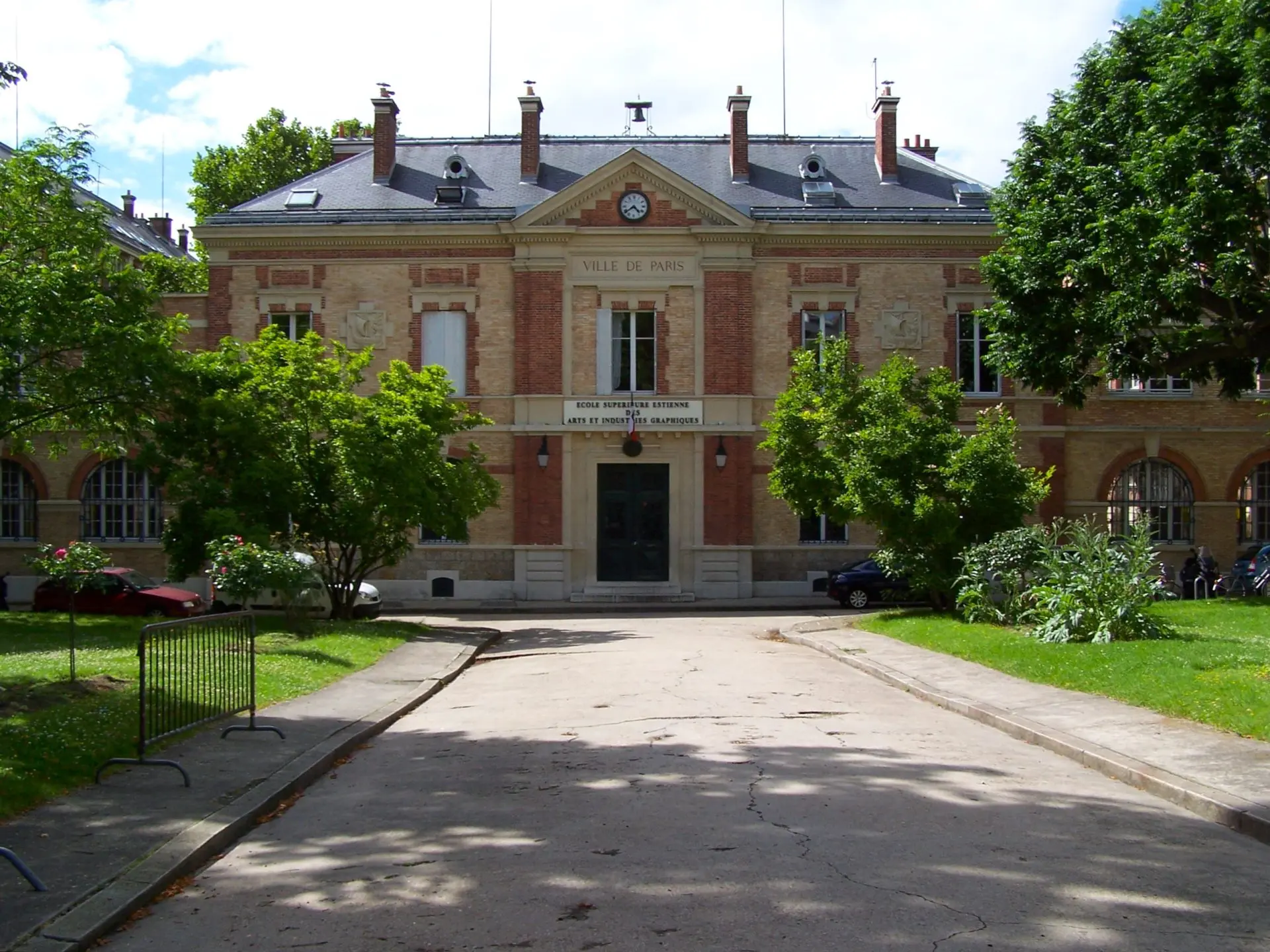
- France. Paris. École Estienne (ESAIG).
- France. Paris. EFAP. École des nouveaux métiers de la communication.
- France. Paris. Lucas de Nehou School of Glass Art & Design.
- France. Toulouse. École Condé Toulouse.
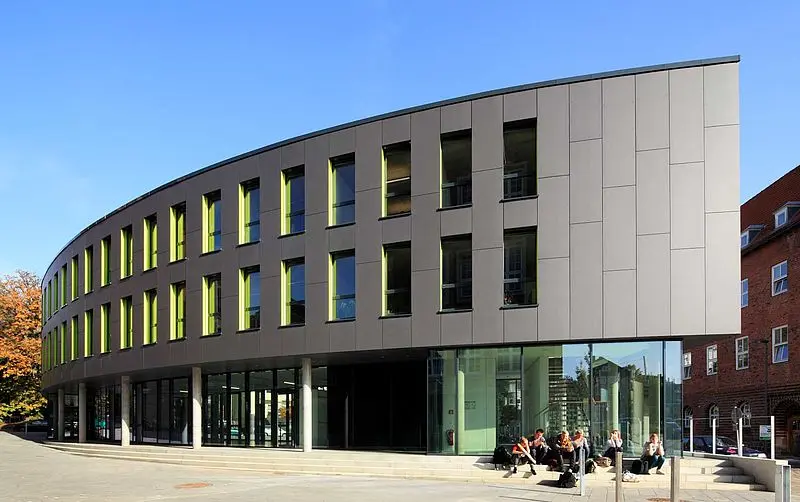
- Germany. Kiel. Muthesius University of Fine Arts and Design.
- Germany. Munich. Akademie der Bildenden Künste München.
- Germany. Stuttgart. HFT Stuttgart. Hochschule für Technik.
- Greece. Athens. West Attica Athens University of Applied Sciences.
- Italy. Bari. Accademia di Belle Arti di Bari.
- Italy. Bologna. Accademia di Belle Arti di Bologna.
- Italy. Catania. Accademia di Belle Arti di Catania.
- Italy. Catania. ABADIR. Accademia di Design e Arti Visive.
- Italy. Foggia. Accademia di Belle Arti di Foggia.
- Italy. Genova. Accademia Ligustica di Belle Arti di Genova.
- Italy. L’Aquila. Accademia di Belle Arti di L’Aquila.
- Italy. Macerata. Accademia di Belle Arti di Macerata.
- Italy. Napoli. Accademia IUAD.
- Italy. Palermo. Accademia di Belle Arti di Palermo.
- Italy. Palermo. UNIPA. Università degli Studi di Palermo.
- Italy. Roma. Accademia di Belle Arti di Roma.
- Italy. Torino. IAAD. Istituto d’Arte Applicata e Design.
- Italy. Udine. Accademia di Belle Arti di Udine G.B. Tiepolo.
- Italy. Venezia. Accademia di Belle Arti di Venezia.
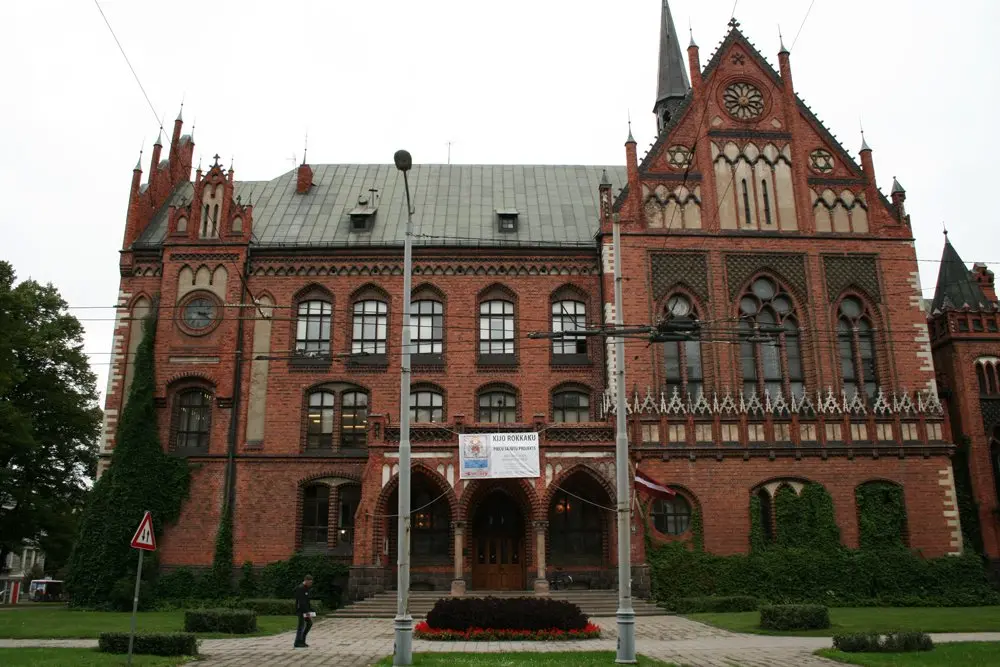
- Latvia. Riga. Art Academy of Latvia.
- Lithuania. Vilnius. Vilnius Academy of Arts.
- Poland. Bialystok. Bialystok University of Technology.
- Poland. Bielsko-Biała. Bielska Wyższa Szkoła im. J. Tyszkiewicza.
- Poland. Gdańsk. Academy of Fine Arts in Gdańsk.
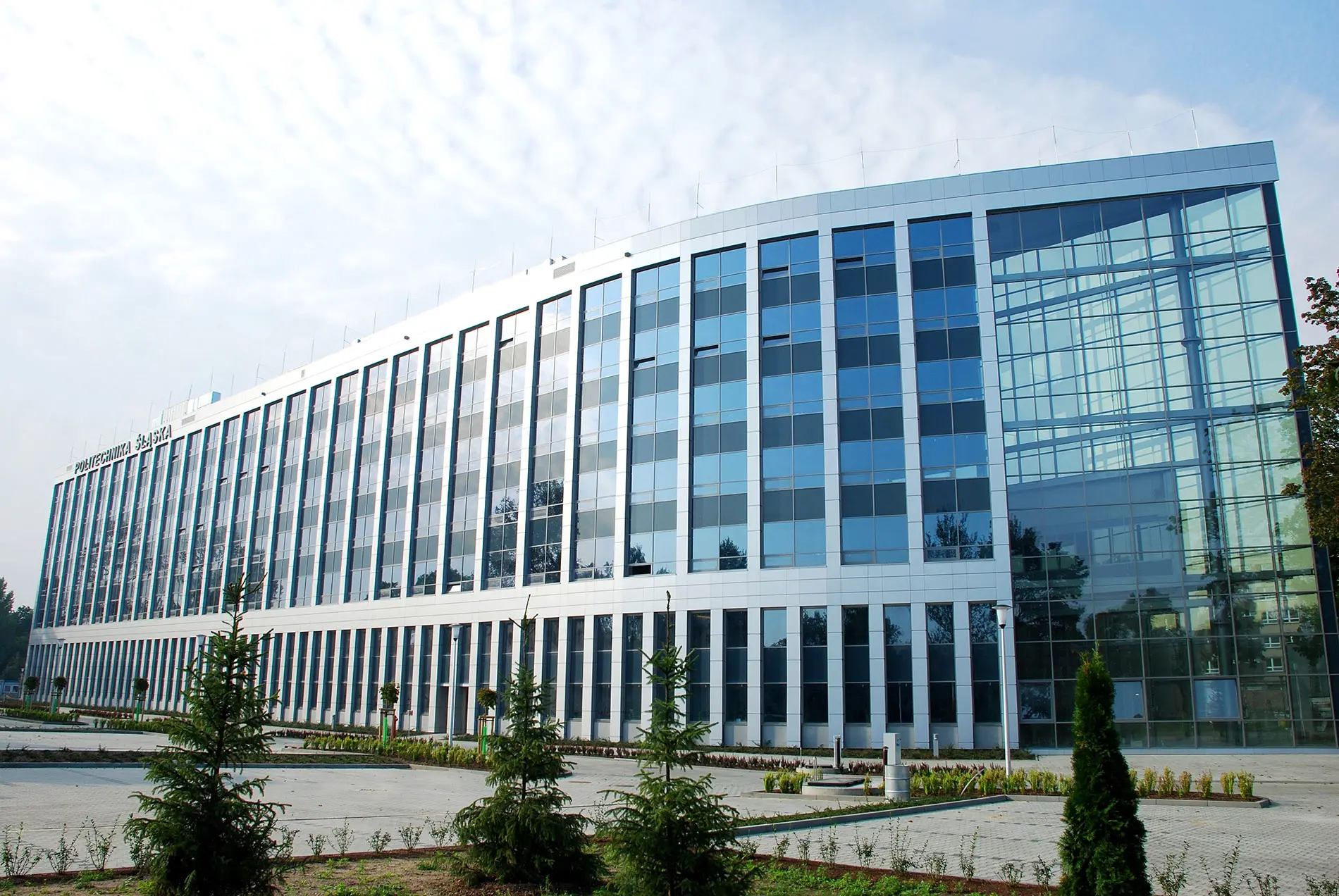
- Poland. Gliwice. Silesian University of Technology.
- Poland. Katowice. Katowice School of Technology.
- Poland. Kraków. Akademia Sztuk Pięknych im. Jana Matejki w Krakowie.
- Portugal. Matosinhos. ESAD College of Art and Design.
- Romania. Iasi. George Enescu National University of Arts.
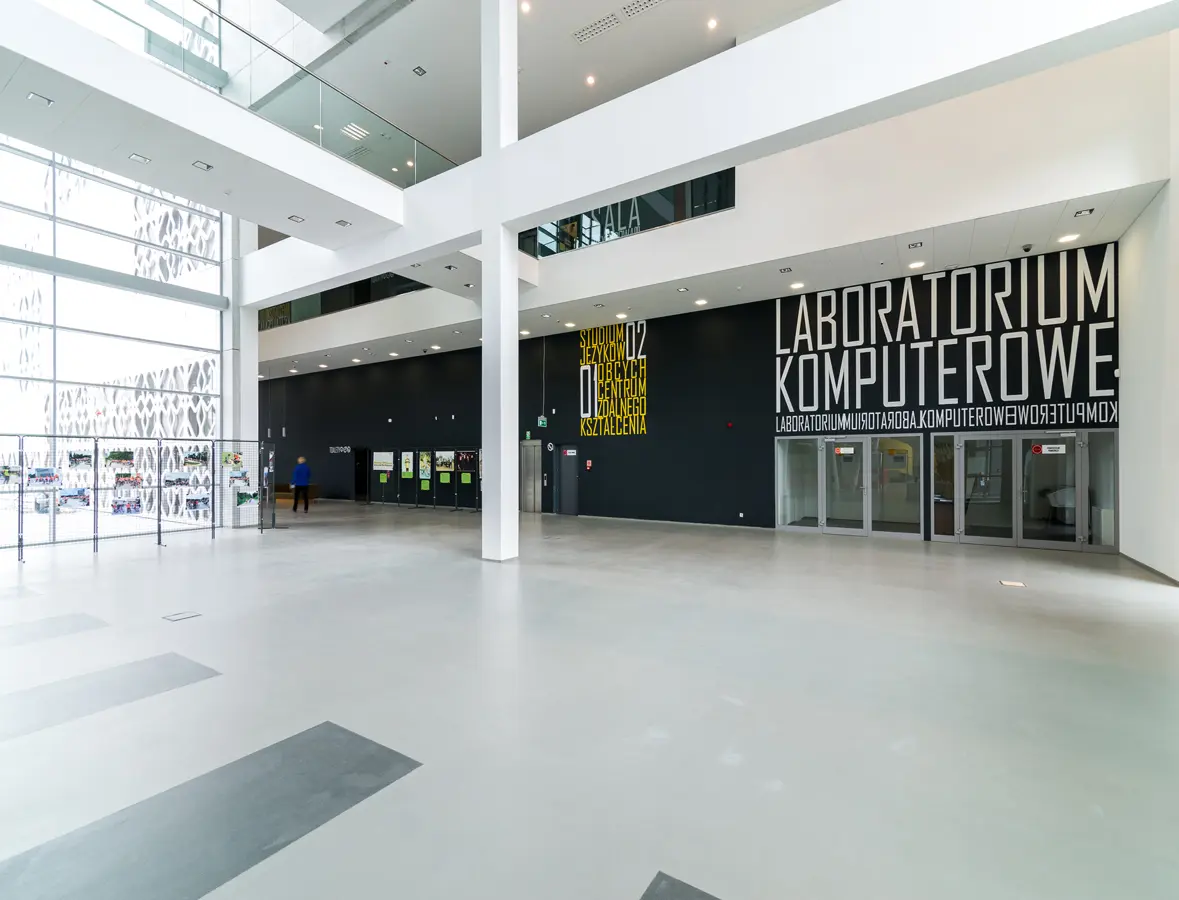
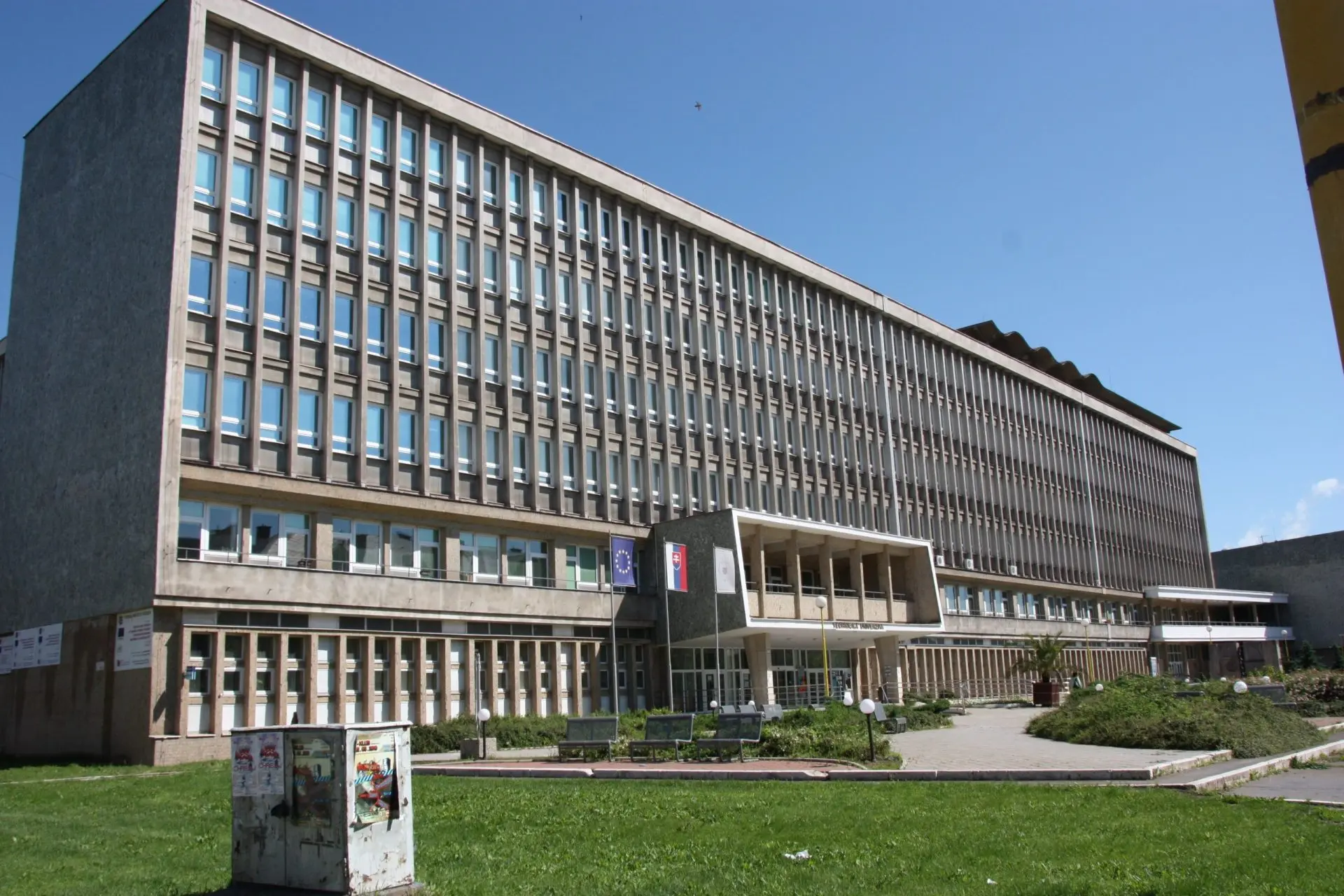
- Slovakia. Košice. Technická univerzita v Košiciach.
- Slovenia. Ljubljana. Fakulteta za dizajn / Faculty of Design.
- Turkey. Çanakkale. ÇOMÜ. Çanakkale Onsekiz Mart University.
- Turkey. Istanbul. Haliç University.
- UK. London. Kingston University London.
List updated on 17 November 2026.
student life
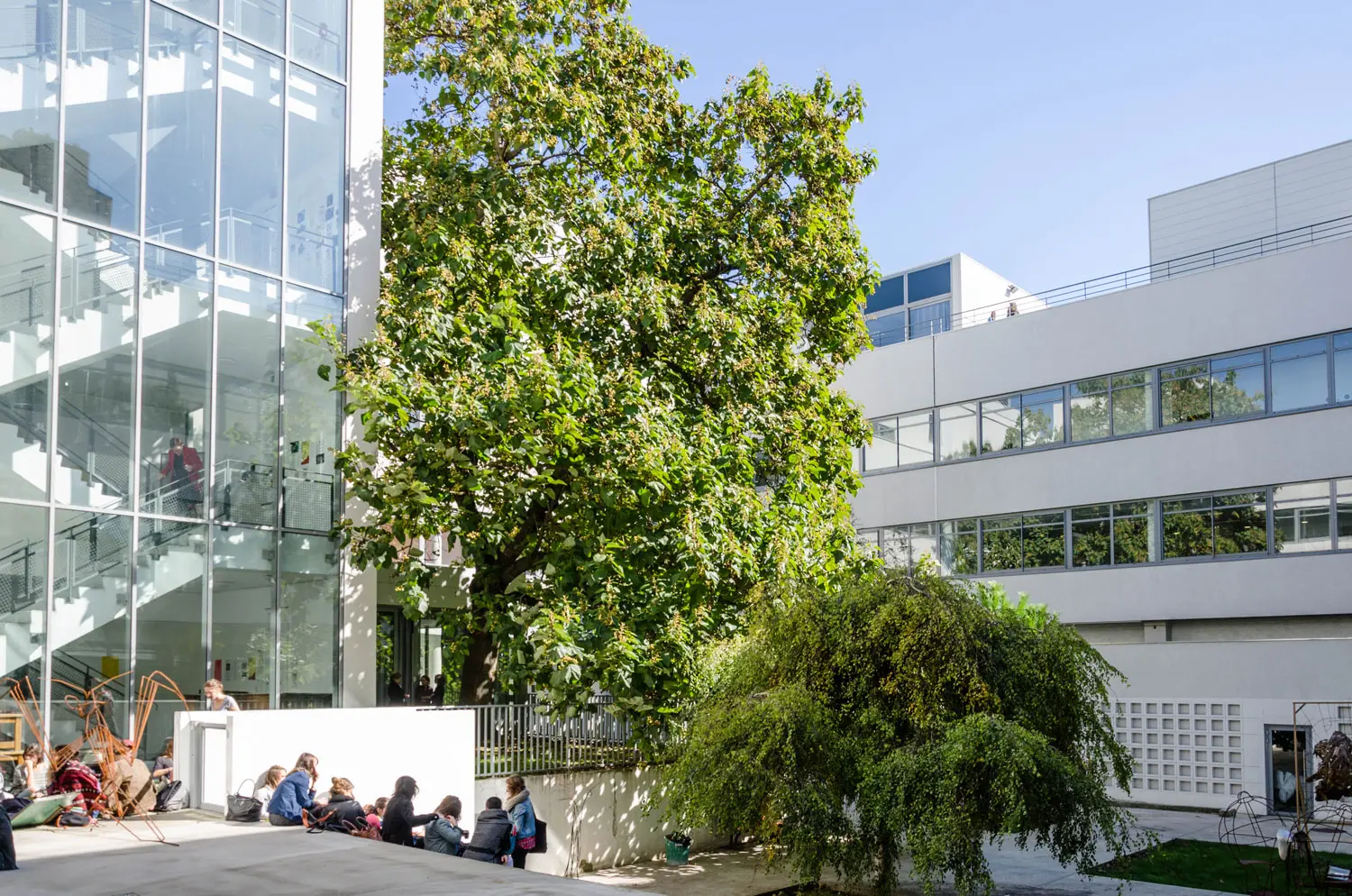
Seville is a city to live in and enjoy, and also a good place to create and experiment. Every year thousands of students from all over the world come here to study, so outside class you will meet people from many countries.
The city lies on the banks of the Guadalquivir. Its Moorish heritage and its past as the port for trade with the Americas can be seen in the historic centre, home to several World Heritage monuments, and in neighbourhoods with a strong traditional culture such as Triana and La Macarena. Museums, art centres, cinemas and theatres keep cultural life busy, and going out for tapas is one of the city’s most deeply rooted traditions.
Getting around is easy: Seville has about 140 km of cycle lanes, many pedestrian streets and an electric tram.
In spring the city celebrates Semana Santa (Holy Week) and the Feria de Abril (April Fair), both declared of National Tourist Interest. Seville is also a good base for exploring the province: cultural routes such as the Roman Bética Route or the Washington Irving Route, and natural areas such as Doñana, a UNESCO World Heritage Site and Biosphere Reserve, and the Sierra Norte, ideal for hiking, horse riding and cycling.
outgoing student mobility
erasmus+ and the escuela de arte de sevilla
Erasmus+ is the European Union’s programme for education, training, youth and sport for the period 2021–2027.
In education it covers all levels: school education, vocational training, higher education and adult education.
The programme supports formal and informal learning beyond the borders of the EU, with a clear international outlook, to improve the education, training and employability of students, teachers and staff, with a particular focus on inclusion, digital transformation, sustainability and participation.
Students of the Escuela de Arte de Sevilla who wish to take part in an Erasmus+ mobility may apply within the established deadlines. On completion, the period spent at the host institution is given full academic recognition as an integral part of their studies.
Thanks to the Erasmus+ programme, students do not pay tuition fees at the host institution; they only pay the usual fees for their studies at the Escuela de Arte de Sevilla. During their mobility, students also continue to receive any grants or loans they would normally be entitled to for studying at their home institution. Erasmus mobility grants are complementary to national and/or regional grant schemes, including those that compensate for the additional costs of studying abroad.
partner schools
- Belgium. Bruxelles. École de Recherche Graphique (ERG).
- Croatia. Split. Umjetnicka akademija u Splitu / Arts Academy in Split.
- Cyprus. Nicosia. Frederick University.
- Cyprus. Nicosia. University of Nicosia.
- Czech Republic. Pilsen. University of West Bohemia.
- Czech Republic. Praha. Art & Design Institut.
- France. Limoges. École nationale supérieure d’art et de design de Limoges (ENSAD Limoges).
- France. Marseille. École Condé Marseille.
- France. Paris. Academy Carpenter Académie Charpentier.
- France. Paris. BRASSART. École des métiers de la création.
- France. Paris. CREAD. École des métiers de l’architecture intérieure.
- France. Paris. École Boulle. Design et Métiers d’Arts.
- France. Paris. École Condé Paris.
- France. Paris. École Estienne (ESAIG).
- France. Paris. EFAP. École des nouveaux métiers de la communication.
- France. Paris. Lucas de Nehou School of Glass Art & Design.
- France. Toulouse. École Condé Toulouse.
- Germany. Kiel. Muthesius University of Fine Arts and Design.
- Germany. Munich. Akademie der Bildenden Künste München.
- Germany. Stuttgart. HFT Stuttgart. Hochschule für Technik.
- Greece. Athens. West Attica Athens University of Applied Sciences.
- Italy. Bari. Accademia di Belle Arti di Bari.
- Italy. Bologna. Accademia di Belle Arti di Bologna.
- Italy. Catania. Accademia di Belle Arti di Catania.
- Italy. Catania. ABADIR. Accademia di Design e Arti Visive.
- Italy. Foggia. Accademia di Belle Arti di Foggia.
- Italy. Genova. Accademia Ligustica di Belle Arti di Genova.
- Italy. L’Aquila. Accademia di Belle Arti di L’Aquila.
- Italy. Macerata. Accademia di Belle Arti di Macerata.
- Italy. Napoli. Accademia IUAD.
- Italy. Palermo. Accademia di Belle Arti di Palermo.
- Italy. Palermo. UNIPA. Università degli Studi di Palermo.
- Italy. Roma. Accademia di Belle Arti di Roma.
- Italy. Torino. IAAD. Istituto d’Arte Applicata e Design.
- Italy. Udine. Accademia di Belle Arti di Udine G.B. Tiepolo.
- Italy. Venezia. Accademia di Belle Arti di Venezia.
- Latvia. Riga. Art Academy of Latvia.
- Lithuania. Vilnius. Vilnius Academy of Arts.
- Poland. Bialystok. Bialystok University of Technology.
- Poland. Bielsko-Biała. Bielska Wyższa Szkoła im. J. Tyszkiewicza.
- Poland. Gdańsk. Academy of Fine Arts in Gdańsk.
- Poland. Gliwice. Silesian University of Technology.
- Poland. Katowice. Katowice School of Technology.
- Poland. Kraków. Akademia Sztuk Pięknych im. Jana Matejki w Krakowie.
- Portugal. Matosinhos. ESAD College of Art and Design.
- Romania. Iasi. George Enescu National University of Arts.
- Slovakia. Košice. Technická univerzita v Košiciach.
- Slovenia. Ljubljana. Fakulteta za dizajn / Faculty of Design.
- Turkey. Çanakkale. ÇOMÜ. Çanakkale Onsekiz Mart University.
- Turkey. Istanbul. Haliç University.
- UK. London. Kingston University London.
List updated on 17 November 2026.
requirements
Requirements for study mobility (Higher Arts Education degrees)
Students must have taken and passed the first year of the degree they are studying at the Escuela de Arte de Sevilla. Credits from other degrees are not accepted. Students enrolled in the first year of a Higher Arts Education degree may only apply for and carry out their mobility in the second semester of their second year. Periods abroad, including any combination of study and traineeship periods, may not exceed 12 months per study cycle.
Requirements for traineeship mobility as part of the curriculum (Higher Arts Education degrees and Advanced Vocational Training)
Traineeships abroad may last from a minimum of two months to a maximum of 12 months (periods abroad, including study periods, may not exceed 12 months per study cycle). If the home institution is based in an EU Member State or a third country associated to the programme, the information in the traineeship certificate must also be included in the Diploma Supplement, except for recent graduates. In that case, it is recommended to record the traineeship period in the Europass Mobility document. Advanced Vocational Training students must have passed 90% of the subjects of the years prior to the one in which they apply.
Requirements for traineeships for recent graduates (Higher Arts Education degrees and Advanced Vocational Training)
Recent graduates may also carry out traineeships abroad, provided they do so within one year of graduating and apply while they are still enrolled at a higher education institution. Traineeship periods will be recorded in the Europass Mobility document, certifying the student’s mobility.
selection process and application documents
Students wishing to take part in an Erasmus study or traineeship mobility in the following academic year must submit their application online by 10 January of the current academic year.
Applications are made online through a link provided via iPasen and by the school’s tutors.
Application documents
The documents required for the Erasmus application are:
- Online application form.
- A request to the school’s Secretary’s Office for the student’s academic record, to calculate the average mark, or, for first-year Advanced Vocational Training students, a certificate of the access route
- An official language certificate, or a certificate of the level test taken at the Escuela de Arte de Sevilla.
Selection criteria
The selection and ranking criteria for awarding Erasmus+ grants are the same for all students of the Escuela de Arte de Sevilla. They are as follows:
A. Academic record:
Applicants must have requested from the school’s Secretary’s Office their academic certificate, showing the subjects in which they are enrolled, the number of subjects (Advanced Vocational Training) or credits passed (Higher Arts Education degrees), the mark for each subject and the average mark.
For first-year students, the mark obtained in the access test for the relevant level will be taken into account, or the mark considered for admission in the case of direct access.
B. Credits passed:
For Higher Arts Education degrees, 0.01 points will be added for each credit passed in the current degree. Credits obtained outside the Escuela de Arte de Sevilla will not be counted.
C. Language level:
Applicants must provide an official certificate of their level in a language other than the official languages of Spain. The certified level will be scored as follows:
B1: 1 point
C2: 4.5 points
C1: 3 points
B2: 2 points
deadlines and dates
Students wishing to carry out an Erasmus mobility in the following academic year must submit their application online by 10 January of the current academic year. Applications are made online through a link provided via iPasen and by the school’s tutors.
withdrawals
Students may withdraw from the place they have been awarded up to 30 calendar days after the allocations are published. Withdrawals must be sent by email to international@easdsevilla.es.
Failure to comply with this requirement will result in the loss of priority in the allocation of places for the following two academic years, automatically placing the student behind all other applicants.
Withdrawals after this deadline will only be considered for the following justified reasons:
- serious illness or accident of the student,
- serious illness or death of a relative up to the second degree,
- fulfilment of a public duty,
If a student who has been awarded a place does not join the host institution and has not withdrawn, their participation will be cancelled automatically. In addition, the student will be excluded from taking part in any of the mobility calls managed by the Escuela de Arte de Sevilla.
documents for outgoing students
documents for studies – SMS
Once you have been selected and awarded a study mobility, the International Office will give you all the documents you need to fill in. If you have any questions, write to international@easdsevilla.es.
documents for traineeships – SMT
Once you have been selected and awarded a traineeship mobility, the International Office will give you all the documents you need to fill in. If you have any questions, write to international@easdsevilla.es.
online language support (OLS)
Online Language Support (OLS) is the European Commission’s tool to help Erasmus+ participants improve the language they will use to study or do a traineeship abroad.
Compulsory language assessment
Before the mobility, students must take the OLS assessment in their main language of mobility, except native speakers or in duly justified cases. The school, as the sending institution, registers each participant on the platform.
- The results of the assessment do not prevent anyone from taking part in the mobility: they help identify who needs more language support.
- OLS online courses are free and voluntary, and can be taken before and during the mobility.
- If the language of the mobility is not available in OLS, the International Office will tell you about other forms of language support.

teaching and non-teaching staff mobility – outgoing
general conditions
The Erasmus+ actions for student and staff mobility in which the Escuela de Arte de Sevilla takes part may take place at higher education institutions or public or private organisations in the 27 Member States of the European Union and the third countries associated to the programme: Iceland, Liechtenstein, Norway, North Macedonia, Serbia and Türkiye.
STT: staff mobility for training
Open to teaching and non-teaching staff of the Escuela de Arte de Sevilla, it aims to exchange experience on the organisation, structure, curriculum, content and competences of our respective schools, as well as on teaching practice.
- Duration: from 2 to 60 days (excluding travel days)
- Purpose: training events and job-shadowing or on-the-job training periods (conferences are NOT included), learning by observation.
- Eligible host organisations: higher education institutions holding an ECHE, or organisations active in the labour market or in the fields of education, training or youth
The International Office will provide the documents for staff mobility for TRAINING (international@easdsevilla.es).
STA: staff mobility for teaching
Open to teaching and non-teaching staff of the Escuela de Arte de Sevilla, it aims to exchange experience on the organisation, structure, curriculum, content and competences of our respective schools, as well as on teaching practice.
- Duration: from 2 to 60 days (excluding travel days)
- Purpose: a minimum of 8 teaching hours per week (or per stay, if shorter).
- Eligible host organisations: higher education institutions holding an ECHE.
The International Office will provide the documents for staff mobility for TEACHING (international@easdsevilla.es).
deadlines and application documents
Teaching and non-teaching staff wishing to take part in an Erasmus mobility in the following academic year must apply online and provide all the required documents by 10 January of the current academic year. The online application will explain how to provide and submit the documents.
The documents required for the Erasmus application are:
- Online application form, provided to all teaching staff through Séneca.
- Mobility programme (Mobility Agreement) for teaching or for training, provided by the International Office.
- Official language certificate.
Optionally, a letter of invitation or the mobility programme signed by the host institution or company.
requirements and selection criteria
For each call, interested staff of the Escuela de Arte de Sevilla will be informed of the conditions of the Erasmus programme for the corresponding academic year. The school will select staff through a fair, transparent, consistent and documented process, which will be available to all parties involved. Applicants must be members of the Escuela de Arte de Sevilla both when they apply and during their stay. At the time of the mobility, teachers must be teaching in a first-cycle study programme: Advanced Vocational Training or Higher Arts Education degrees.
The scale applied by the selection committee for awarding places to teaching and non-teaching staff is as follows:
A letter of invitation or the mobility programme signed by the host institution or company. Score: 1 point.
Quality of the mobility programme. Maximum score: 5 points. For staff mobility for TEACHING (STA), the mobility programme must include at least: the objectives and added value of the mobility, the content of the teaching programme (methodology, schedule, etc.) and the expected results. For staff mobility for TRAINING (STT), the mobility programme must include at least: the general and specific objectives, the expected results, the activities to be carried out and, if possible, a schedule for the period. The quality of the objectives and the added value of the mobility will be scored up to 2 points. The expected results and impact on the professional development of the staff members and on both institutions, up to 1 point. A proposal for disseminating and using the results within the Escuela de Arte de Sevilla, up to 1 point. Mobilities that encourage a new bilateral agreement, 1 point.
Languages. Maximum score: 4 points. Knowledge of the academic language of the host institution or company will be scored on the basis of an official certificate: B1: 1 point, B2: 2 points, C1: 3 points, C2: 4 points.
Taking part in the Erasmus mobility programme for the first time. Score: 2 points.
erasmus+ project
ECHE charter
Erasmus+ is the European Union’s programme for education, training, youth and sport for the period 2021–2027. In education it covers all levels: school education, vocational training, higher education and adult education.
It focuses on formal and informal learning beyond the borders of the EU, with a clear international outlook that extends to third countries, in order to improve people’s education and training and the employability of students, teachers and staff.
The Escuela de Arte de Sevilla holds the Erasmus Charter for Higher Education (ECHE) 2021–2027 and is committed to taking part in the programme by promoting the internationalisation of its whole educational community, in line with the objectives of Erasmus+.